Exploring the historical evolution of gambling A journey through time
By Amir
2 months ago
The roots of gambling can be traced back to ancient civilizations, where various forms of chance-based activities were prevalent. Archaeological evidence suggests that as early as 3000 BC, the Chinese were engaging in games of chance using tiles. Similarly, ancient Egyptians used dice in their gaming practices, reflecting a societal fascination with luck and fate. These early forms of gambling were often tied to religious or ritualistic ceremonies, highlighting the psychological connection between human behavior and the allure of chance. In modern times, activities like playing at australia online casino continue this tradition.

The Greeks and Romans further popularized gambling, integrating it into their social fabric. They enjoyed betting on events such as chariot races and gladiatorial contests, with evidence showing that this practice was not only a source of entertainment but also a means to foster community bonds. The psychological thrill of betting on the outcome of unpredictable events laid the groundwork for modern gambling as we know it today.
As Europe transitioned into the Middle Ages, gambling faced both acceptance and prohibition. While it was often condemned by the Church, many noble classes participated in games like dice and card games, indicating a continued psychological attraction to risk and reward. These activities provided an escape from the rigidity of societal norms and offered a form of personal agency, even amidst widespread restrictions.
During this period, the development of playing cards introduced a new dimension to gambling. Originating from Asia, card games quickly became popular across Europe, leading to the establishment of various betting games. The psychological complexity of strategy-based gambling not only appealed to players but also sparked debates about morality and fortune, showcasing the evolving cultural perceptions of gambling throughout the ages.
The Renaissance marked a significant turning point in the history of gambling, coinciding with an increased interest in science, art, and humanism. This era saw the emergence of formal gambling establishments, like casinos, which became popular social hubs for the aristocracy. The psychological impact of these venues was profound; they provided a safe space for individuals to explore their desires for wealth and excitement.
Moreover, this period saw the standardization of games and the introduction of betting odds, which laid the foundation for modern gambling practices. The burgeoning understanding of probability and statistics transformed gambling from mere chance into a calculated risk, appealing to the rational side of human psychology. This evolution illustrates how gambling continued to adapt to the changing socio-cultural landscape.
The 20th century ushered in a new age for gambling, characterized by the rise of online platforms and the globalization of gaming culture. The advent of the internet revolutionized access to gambling, making it available to millions worldwide. This shift has significant psychological implications, as the convenience and anonymity of online gambling can lead to increased participation and, in some cases, addiction.
Moreover, modern gambling incorporates sophisticated algorithms and personalized experiences, deepening the psychological engagement of players. The combination of instant gratification and the ability to gamble from the comfort of one's home has transformed the landscape, raising questions about the ethics and responsibility associated with gambling in the digital age.
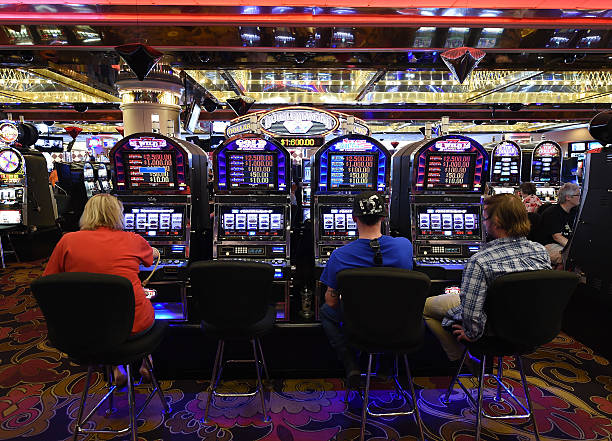
In summary, the historical evolution of gambling reflects not only the changing practices and regulations but also the complex psychological dynamics that underlie human interactions with chance and risk. As we navigate the modern landscape of gambling, it is essential to consider the lessons learned from history.
Understanding the historical context can help inform current discussions about responsible gambling, addiction, and the future of this multifaceted industry. Platforms dedicated to ensuring safe gambling experiences play a critical role in promoting a healthier relationship with chance-based activities, emphasizing the importance of awareness and education in today's gaming environment.